
AOM
AOMAerodrome Operating Minima, or AOM, delineates the critical weather parameters that must be met for an aircraft to safely land at or take off from an airport. Think of it as the aerodrome's way of saying, "It's too dark and stormy for you to come play in my yard!" Pilots must know the AOM to ensure they don’t take unnecessary risks amidst the clouds.
"For instance, a pilot may check the AOM before attempting to land at an airport with low visibility due to fog, ensuring it meets the minimum criteria set for safe operations."
Explained For Every Age ✈️
The same concept, told in 4 magical ways

Once upon a time in the sky, happy airplanes looked for sunny clouds to play in. They only landed in perfect weather, because they loved to see the world, just like you love to ride your bike in good sunshine!
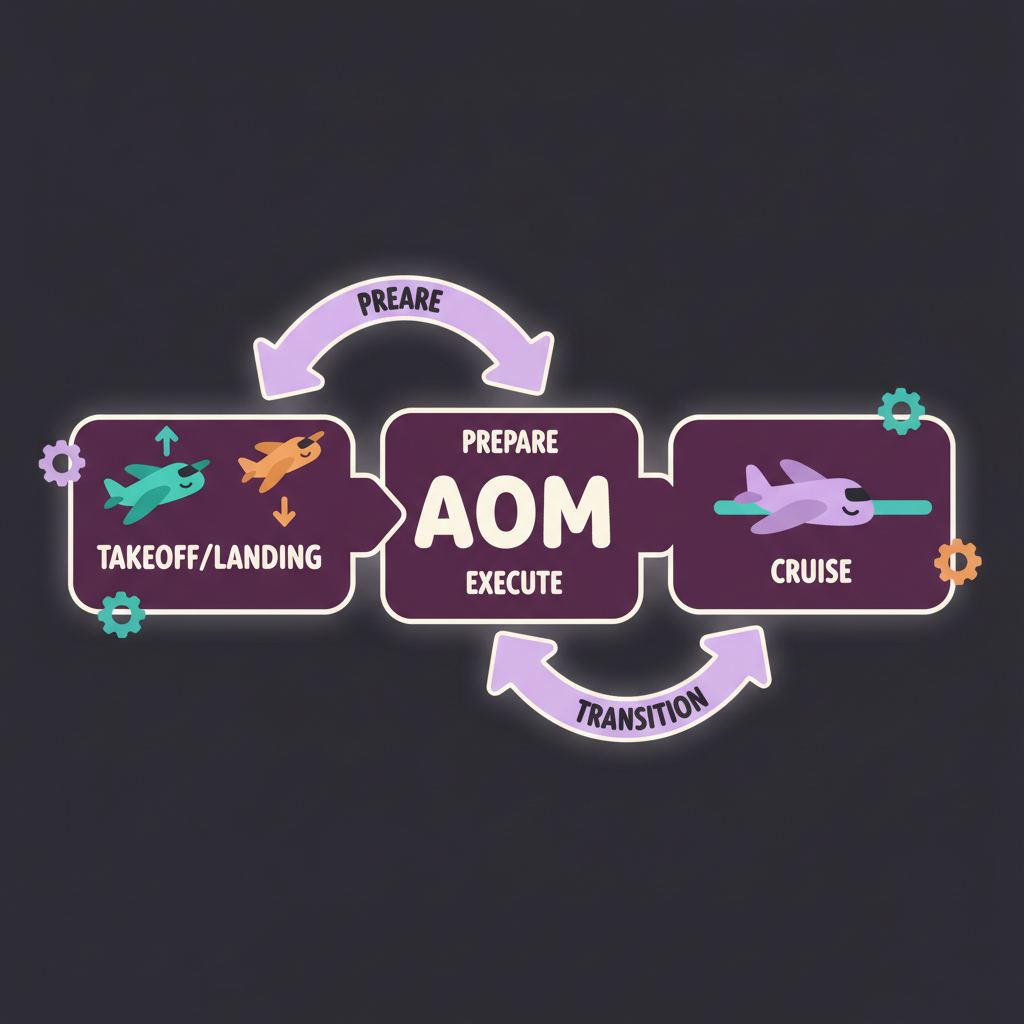
In the magical world of flights, there was a brave airplane who wanted to visit a new land. Before setting out, the airplane checked the AOM, which told it whether the weather was clear enough to land safely. With a big smile, the airplane soared through the skies, making sure it followed the rules to keep everyone safe and sound.
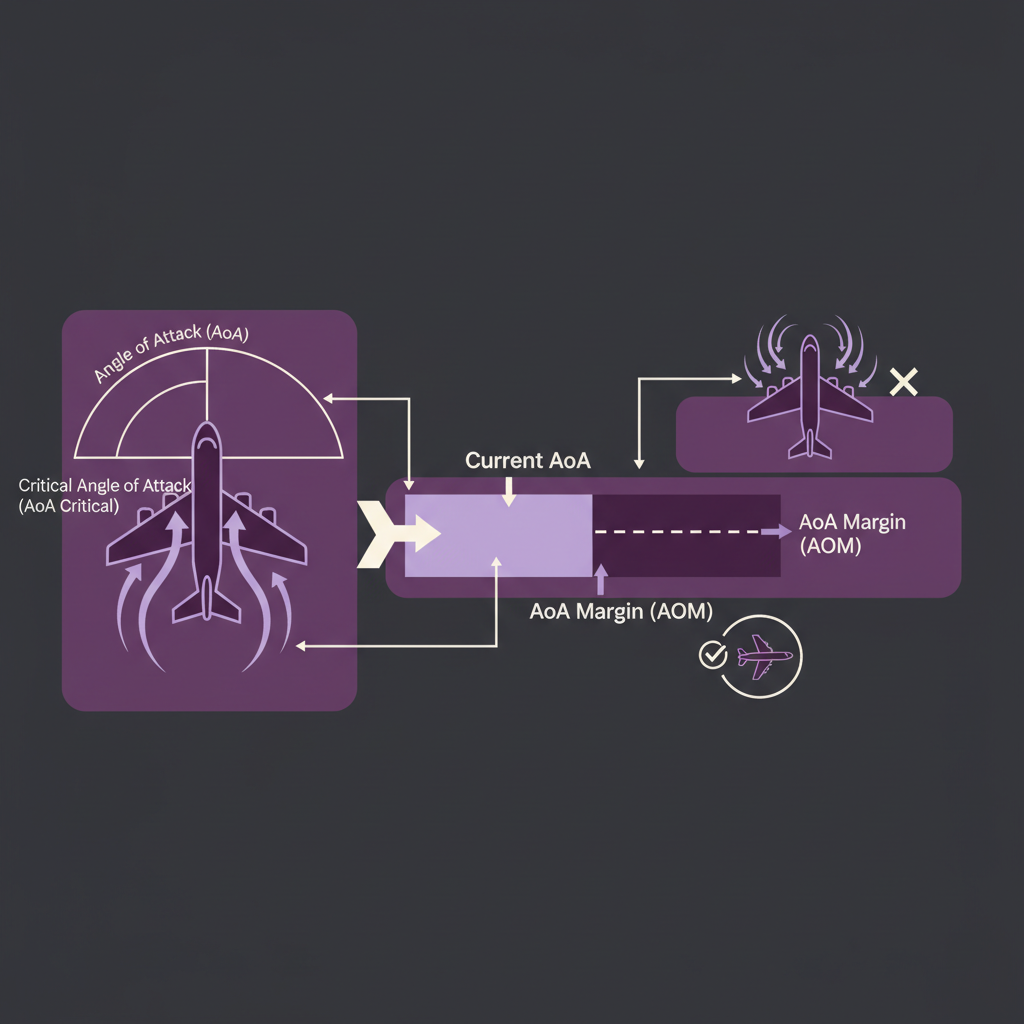
Imagine you're a pilot looking to land at a busy airport. You need to know the Aerodrome Operating Minima (AOM) to ensure visibility and other weather conditions are safe for landing. These minima are like the guidelines for safe flying, telling you if it’s too foggy or stormy to approach. By understanding AOM, you can make informed decisions that not only safeguard your flight but also that of your passengers. Today’s technology helps pilots check these conditions quickly and thoroughly before taking off.

In aviation, understanding Aerodrome Operating Minima (AOM) is essential for ensuring flight safety. AOM sets forth the required visibility and ceiling conditions necessary for aircraft operations at a specific aerodrome, reflecting the local environment's complexities. For instance, before commencing descent, pilots must evaluate whether current weather conditions meet or exceed the specified minima, especially in and out of challenging airports characterized by high terrain or variable weather. Furthermore, while airlines maintain rigorous operational procedures, respect for AOM allows pilots to mitigate risks associated with low-visibility operations, ensuring compliance with regulatory frameworks, both under FAA and EASA guidelines. Thus, AOM plays a pivotal role in maintaining the safety and integrity of flight operations globally.