
Active Management
Active management is the proactive, boots-on-the-ground approach to keeping our runways clear of feathered or furry trespassers. Instead of waiting for a bird strike to ruin your day, airport crews use loud, flashy, or calculated interventions to politely, yet firmly, convince wildlife that the runway is not a buffet.
"To prevent a flock of geese from gathering near the primary approach path, airport operations initiated active management by deploying pyrotechnic shell crackers to disperse the birds before the next arrival."
Explained For Every Age ✈️
The same concept, told in 4 magical ways

The busy airplanes like to keep the runway clear so they can take off for fun trips! A friendly helper uses special loud toys to tell the birds, 'Not here, little friends, go play in the trees instead!'
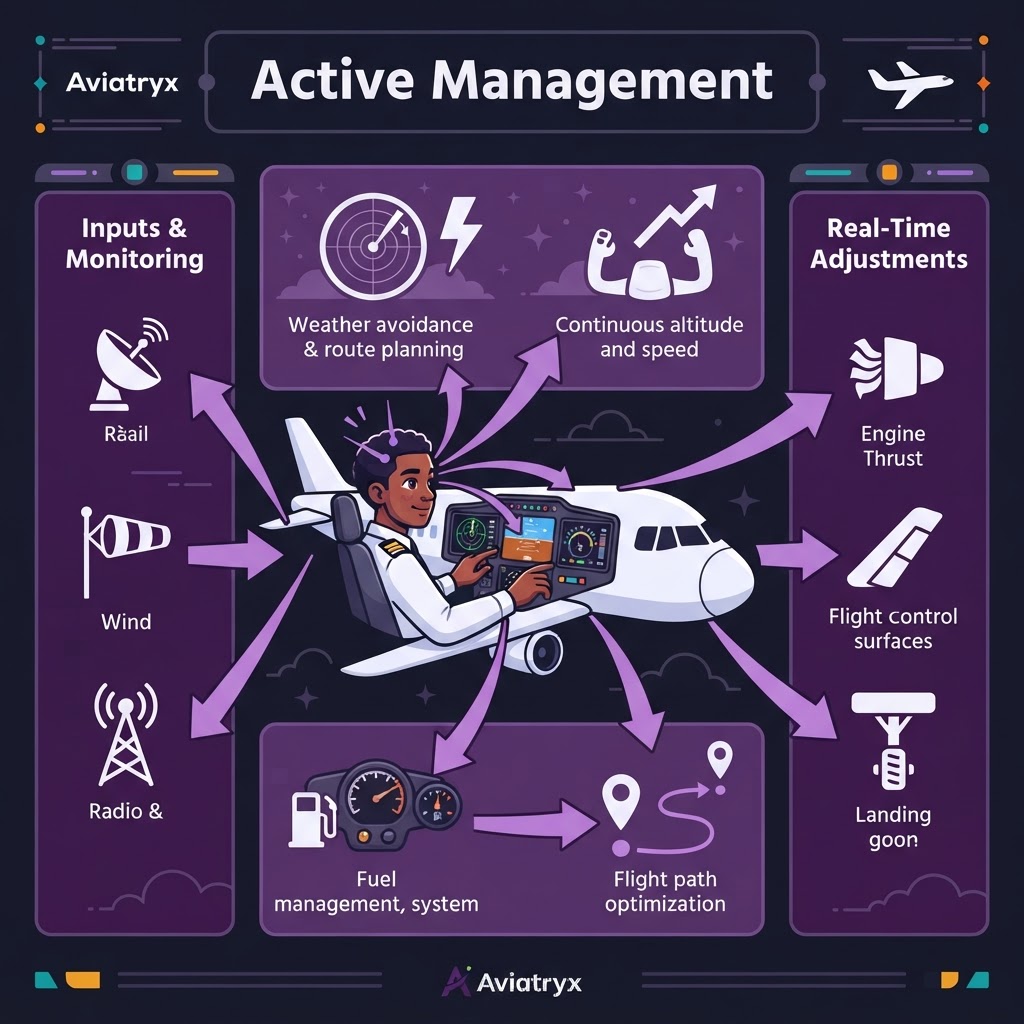
Imagine the runway is like a giant playground for planes, but sometimes birds get curious and land on the pavement. To keep everyone safe, ground crews act like airport conductors by using lights and sounds to guide the birds safely back into the wild. It keeps the planes happy and the birds flying far away from the engines.
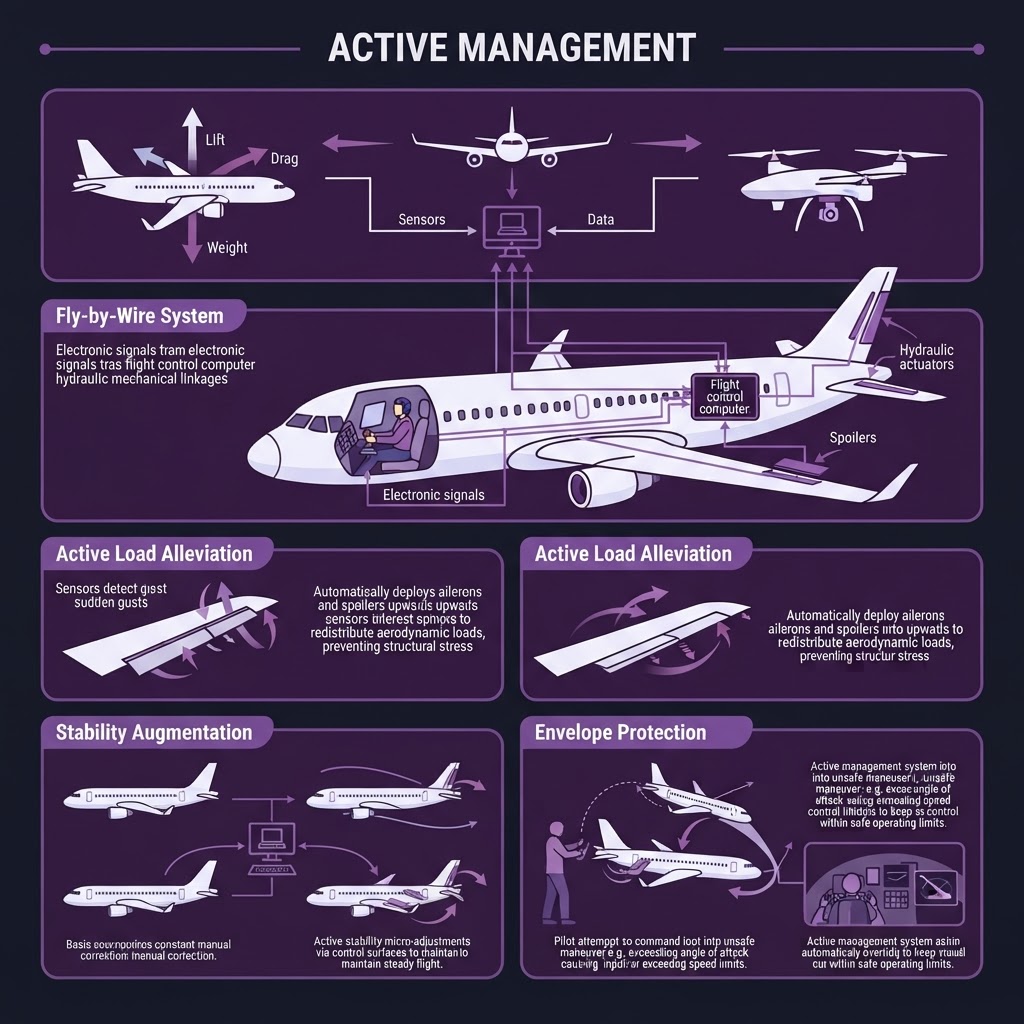
Operating a commercial aircraft requires a pristine environment, as even a small bird collision can cause significant damage to turbine blades or sensors. Active management is the tactical component of a Wildlife Hazard Management Plan designed to maintain this safety margin. By utilizing pyrotechnics or acoustic dispersal, crews actively manipulate the airport environment to prevent avian encroachment. It is a critical lesson in risk management: you cannot control nature, but you can certainly influence where the wildlife chooses to congregate.
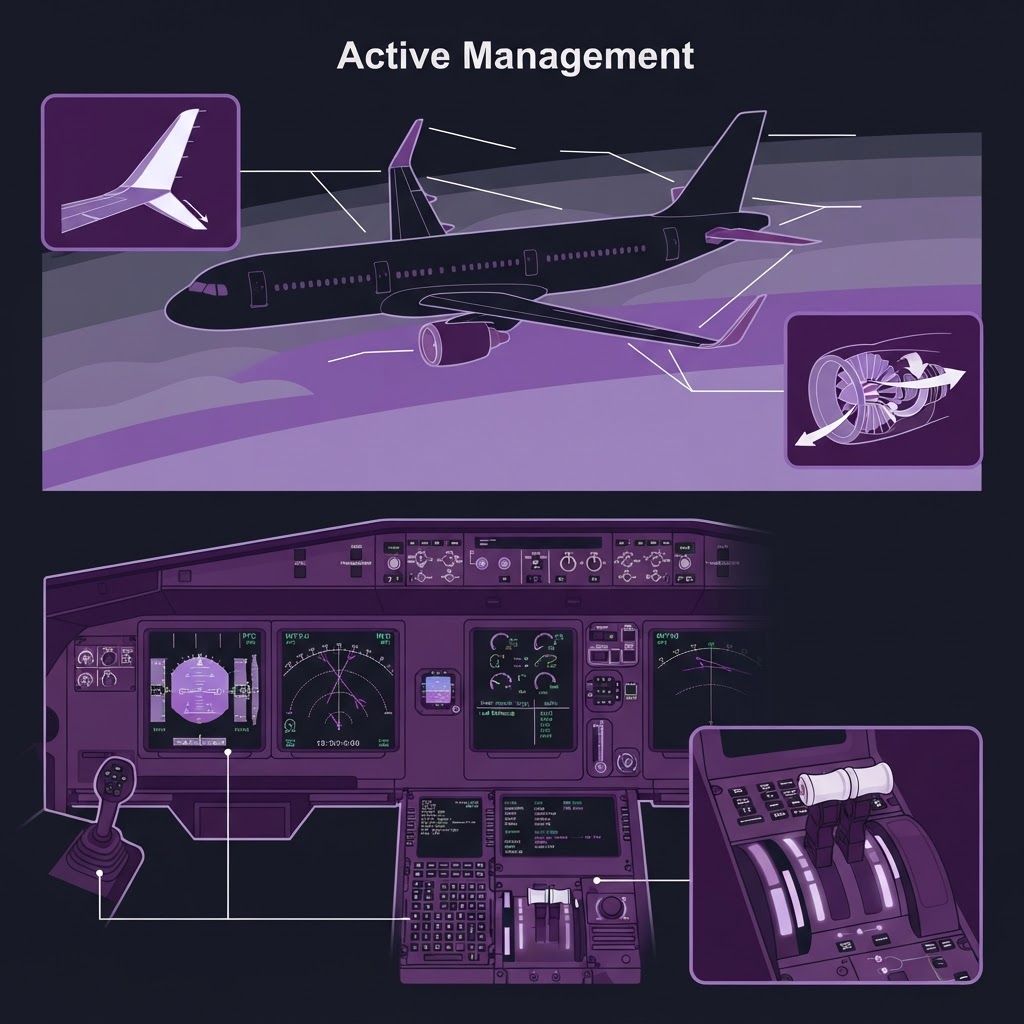
In the context of Part 139 compliance, active management represents the dynamic intervention required when passive measures—such as habitat modification or exclusion—prove insufficient. As a flight crew, you rely on the Airport Operations team to maintain a safe movement area, and active management is their primary mechanism for immediate wildlife dispersal during peak migratory periods. This process often involves integrated pest management techniques, ranging from propane cannons to distress call broadcasts, to ensure that the runway safety area remains clear of attractants. Effective management requires constant surveillance and coordination between ATC and the wildlife control officers on the ground. When active measures are in progress, pilots are often advised via NOTAMs or ATIS to remain vigilant for pyrotechnic activity or bird dispersal maneuvers occurring near the threshold.