
Absolute Altitude
AGLAbsolute altitude is the actual vertical distance of an aircraft above the terrain directly beneath it, so essentially, it’s how high you are over the ground—no clouds, no illusions, just the hard facts. Often indicated as AGL (Above Ground Level), it's the number that counts when you're dodging mountains or soaring over skyscrapers, reminding pilots that height is not just a number, it’s your ticket to safety.
"During a low-level flight to an airshow, a pilot maintained an absolute altitude of 500 feet to ensure a clear view of the audience while performing aerobatics."
Explained For Every Age ✈️
The same concept, told in 4 magical ways

Once upon a time, a little airplane named Benny loved playing hide-and-seek in the sky. Benny would swoop low over the fluffy clouds and giggle as he peeked above the tall mountains, counting how far he was from the ground below!
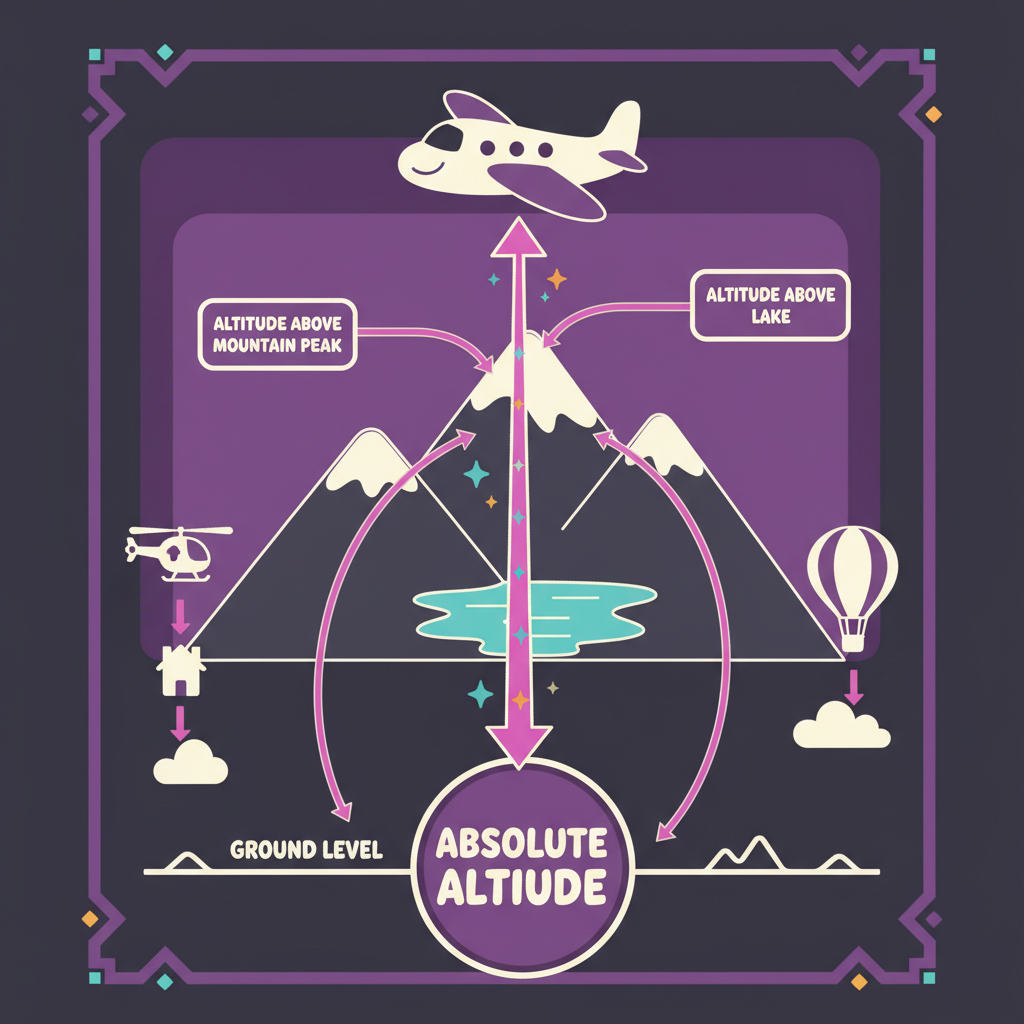
In a land where planes could talk, there was a speedy aircraft named Skyler who loved racing through the air. One day, while flying above the hills, Skyler realized he was only 300 feet above the ground and decided to soar higher to get a better view of the magnificent sunset! With each altitude gained, the world below looked more magical and smaller, and Skyler felt like a true explorer of the skies.
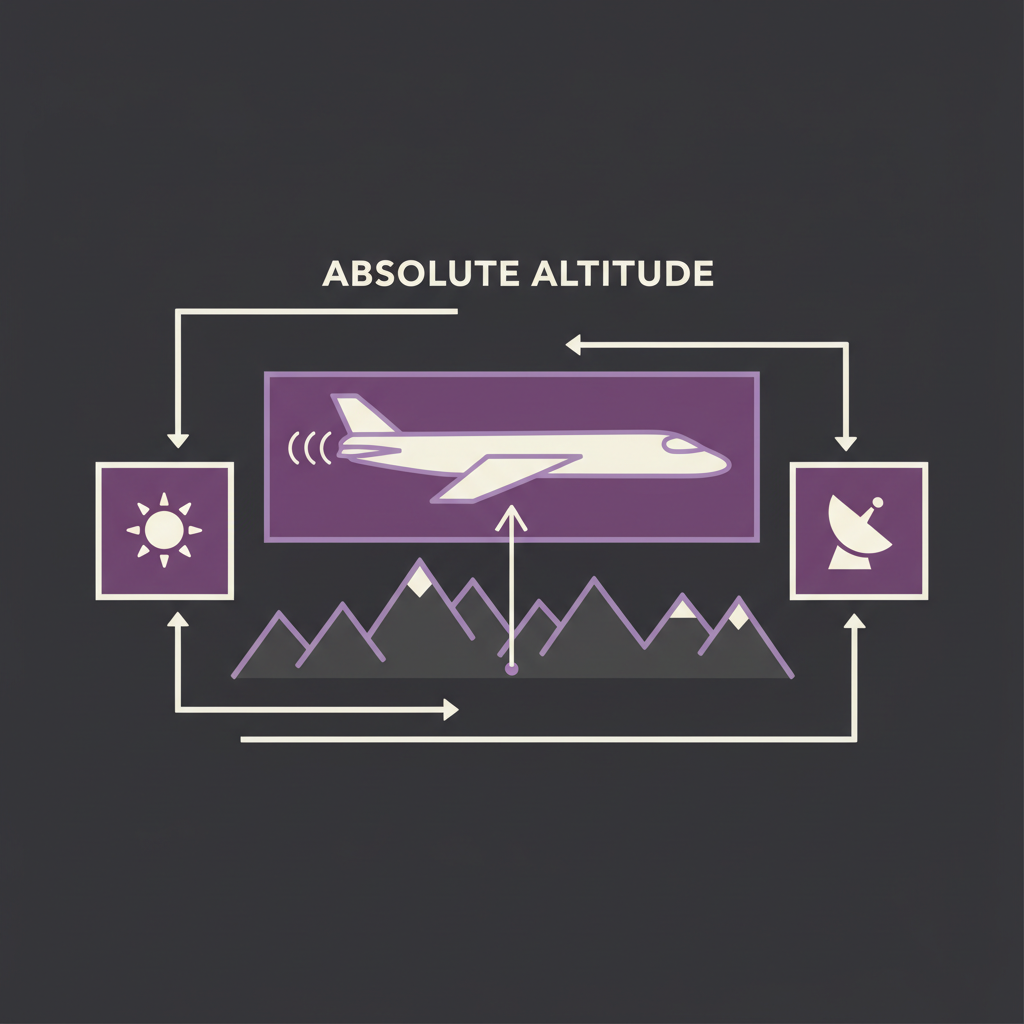
Absolute altitude refers to how high an aircraft is flying above the terrain directly beneath it, often measured in feet above ground level. This measurement is crucial for pilots, as it helps ensure that they maintain a safe distance from obstacles such as trees, buildings, and mountains. Understanding absolute altitude allows pilots to navigate safely during flight and accurately assess their surroundings, which is vital for both safety and efficiency. Whether cruising or executing maneuvers, keeping an eye on absolute altitude empowers pilots to control their journeys more effectively.
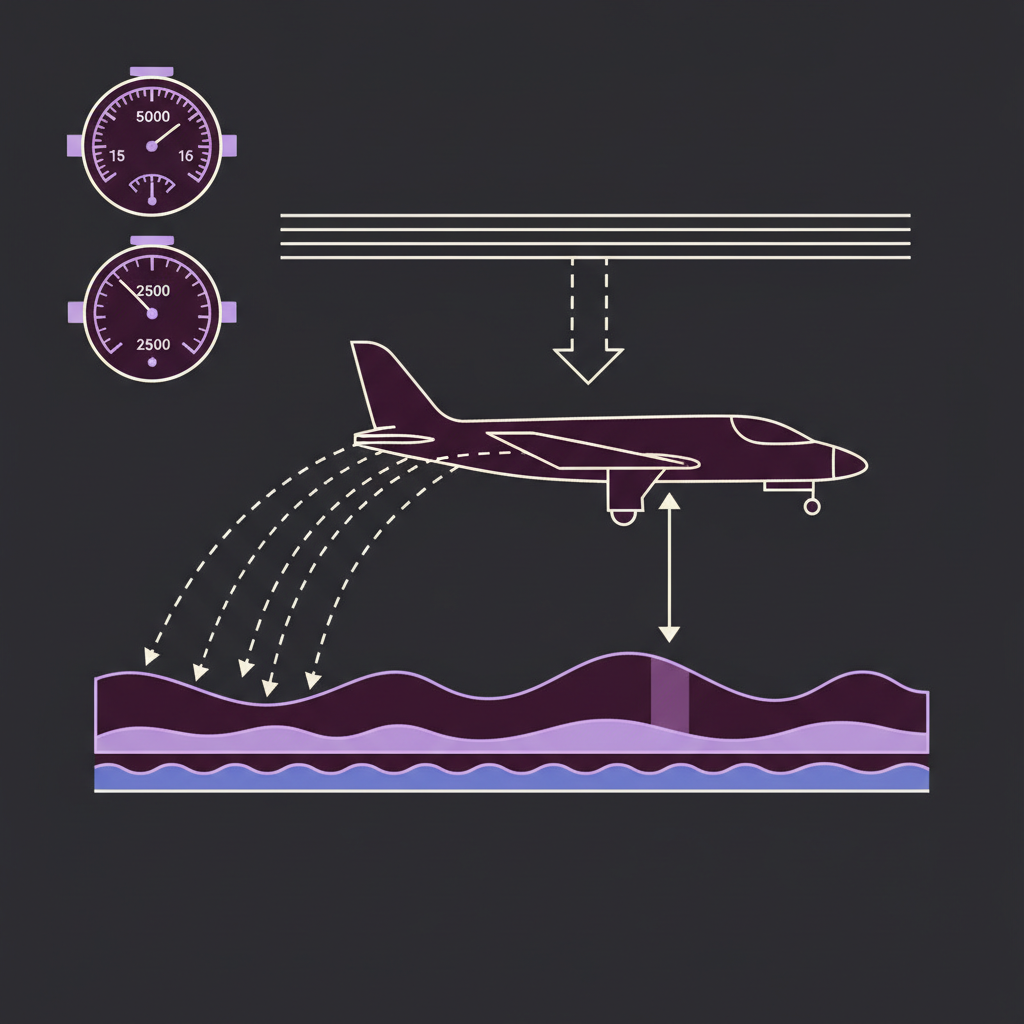
In aviation, absolute altitude is defined as the vertical distance of an aircraft above the earth's surface, measured directly from the ground level. This altitude is crucial for ensuring safe operations in various phases of flight, especially during takeoff, landing, and low-level navigations. It is different from pressure altitude and true altitude, which may be referenced to mean sea level. Pilots must monitor their absolute altitude closely to avoid obstacles and comply with regulatory airspace requirements. For example, during a low-level navigation mission, a pilot might maintain an absolute altitude of 1,000 feet AGL to ensure safe terrain clearance while effectively following the designated flight path.