
A/C
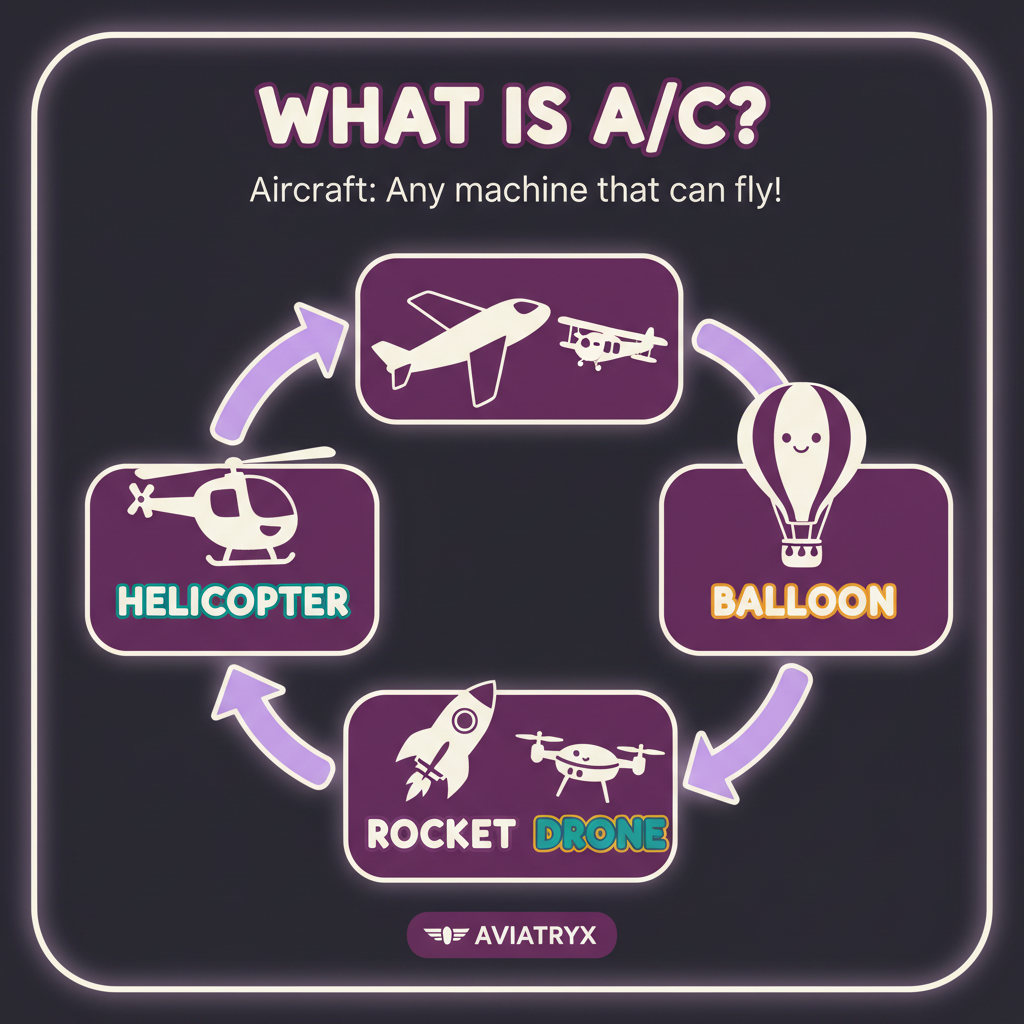
A/CA/C, short for aircraft, encompasses any flying machine, ranging from commercial jetliners to agile helicopters and even the quirky drones buzzing around. In the world of aviation, if it’s got wings or rotors and defies gravity, it earns the honored title of A/C. So, whether you're cruising at 30,000 feet or hovering just above the treetops, you’re piloting a fine piece of engineering marvel!
"When the pilot requested a departure clearance, the air traffic controller confirmed that the A/C was ready for takeoff on Runway 27."
Explained For Every Age ✈️
The same concept, told in 4 magical ways

Once upon a time, there was a happy little airplane named Benny who loved to fly high in the fluffy clouds! Benny soared through the sky, making friends with the birds and dancing around the sunshine.
In the bustling town of Flyville, a brave little A/C named Amelia dreamed of flying around the world. One day, she gathered her friends, a helicopter named Heli and a bouncy drone named Zoom, for an epic adventure to explore the mysterious Rainbow Mountain, where colors of magic filled the skies.
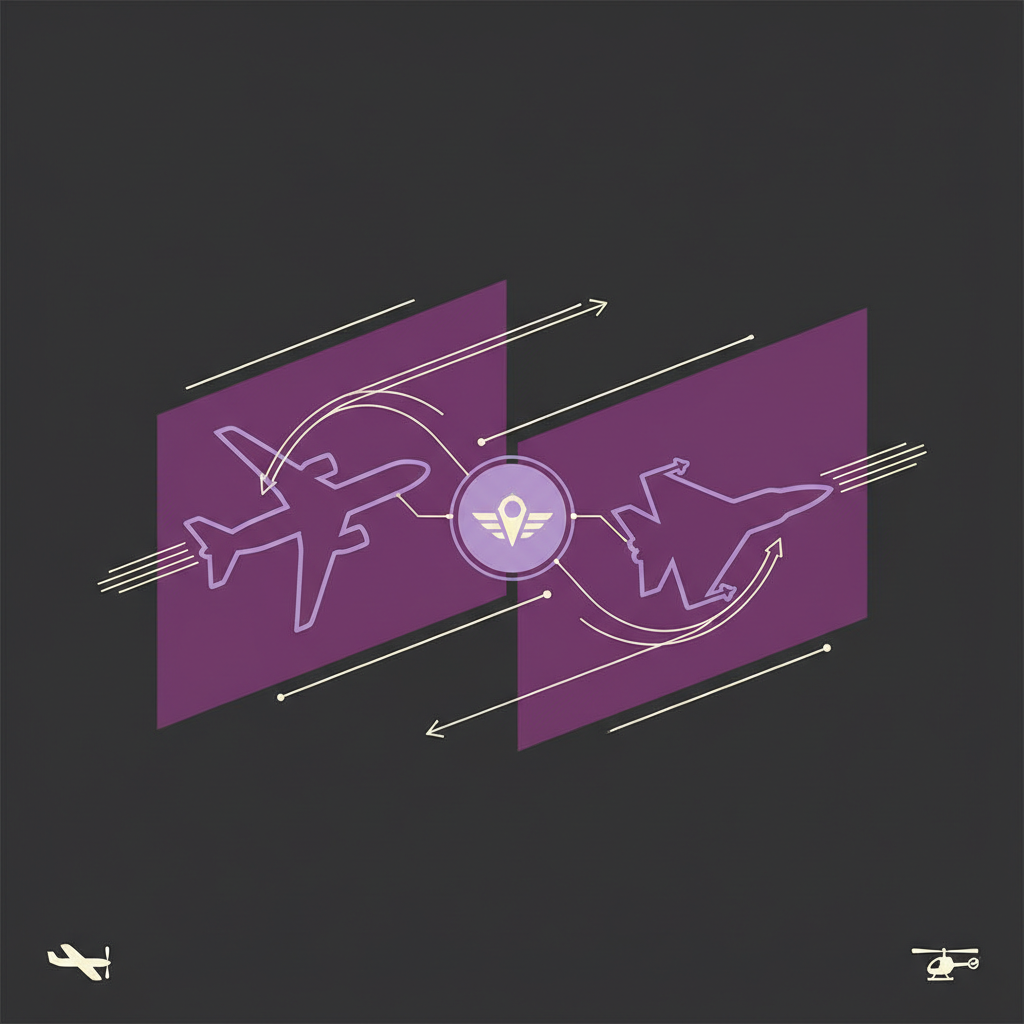
Imagine being in an aircraft, where physics and engineering come together for an amazing journey into the skies. An aircraft is designed to overcome gravity using lift and thrust, working harmoniously through the principles of aerodynamics. As a budding pilot, it’s essential to comprehend how different aircraft types, such as gliders or fighter jets, perform based on their structure and purpose. This understanding not only enhances your flying experience, but also prepares you for various challenges in the cockpit.
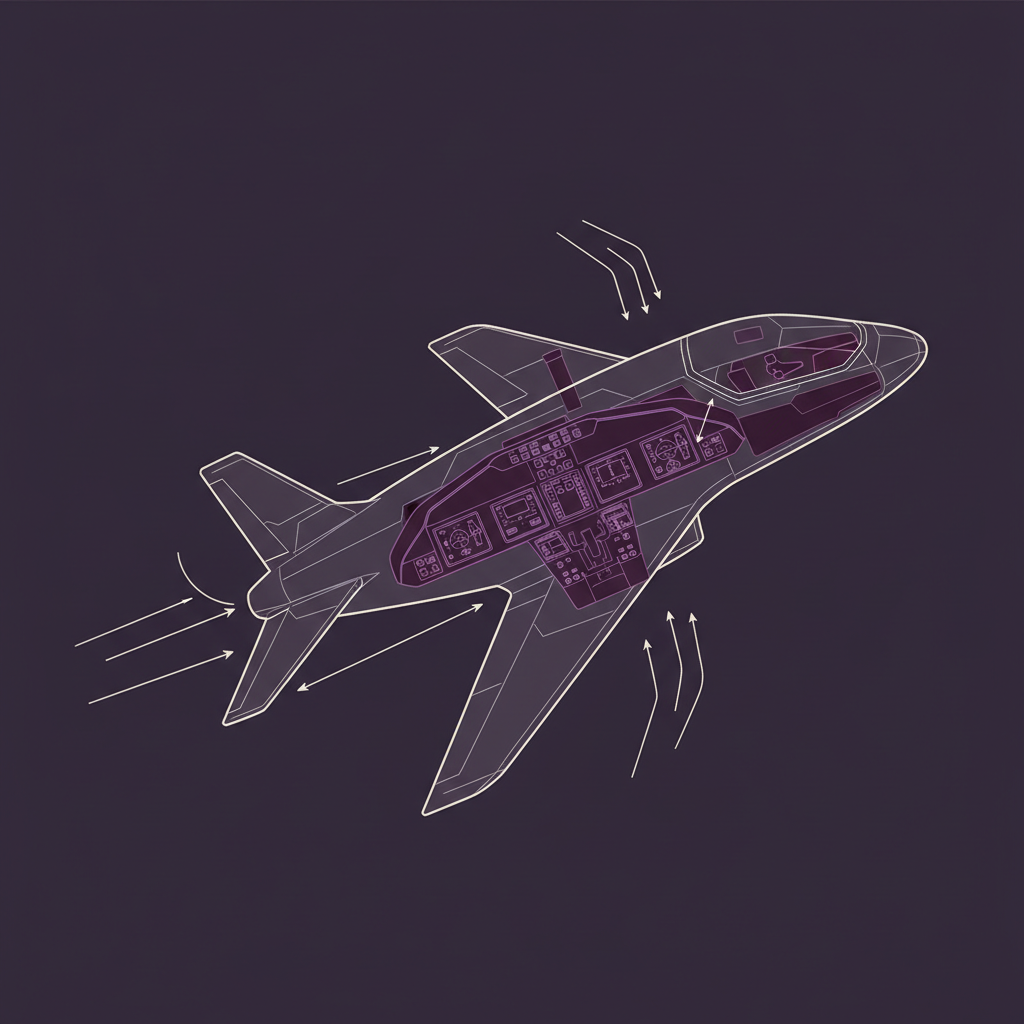
In aviation, the term A/C refers to any vehicle capable of sustained flight, rigorously engineered to operate under specific aerodynamic principles. As an aspiring pilot, you will encounter a variety of A/C, from fixed-wing airplanes like the Cessna 172 to rotorcraft such as the Bell 206. Each type has its own operational uses, performance characteristics, and regulatory requirements determined by agencies like the FAA. Mastery of aircraft systems, navigation protocols, and aerodynamics will equip you to handle real-world scenarios, from routine cross-country flights to unexpected challenges in adverse weather or emergencies.